
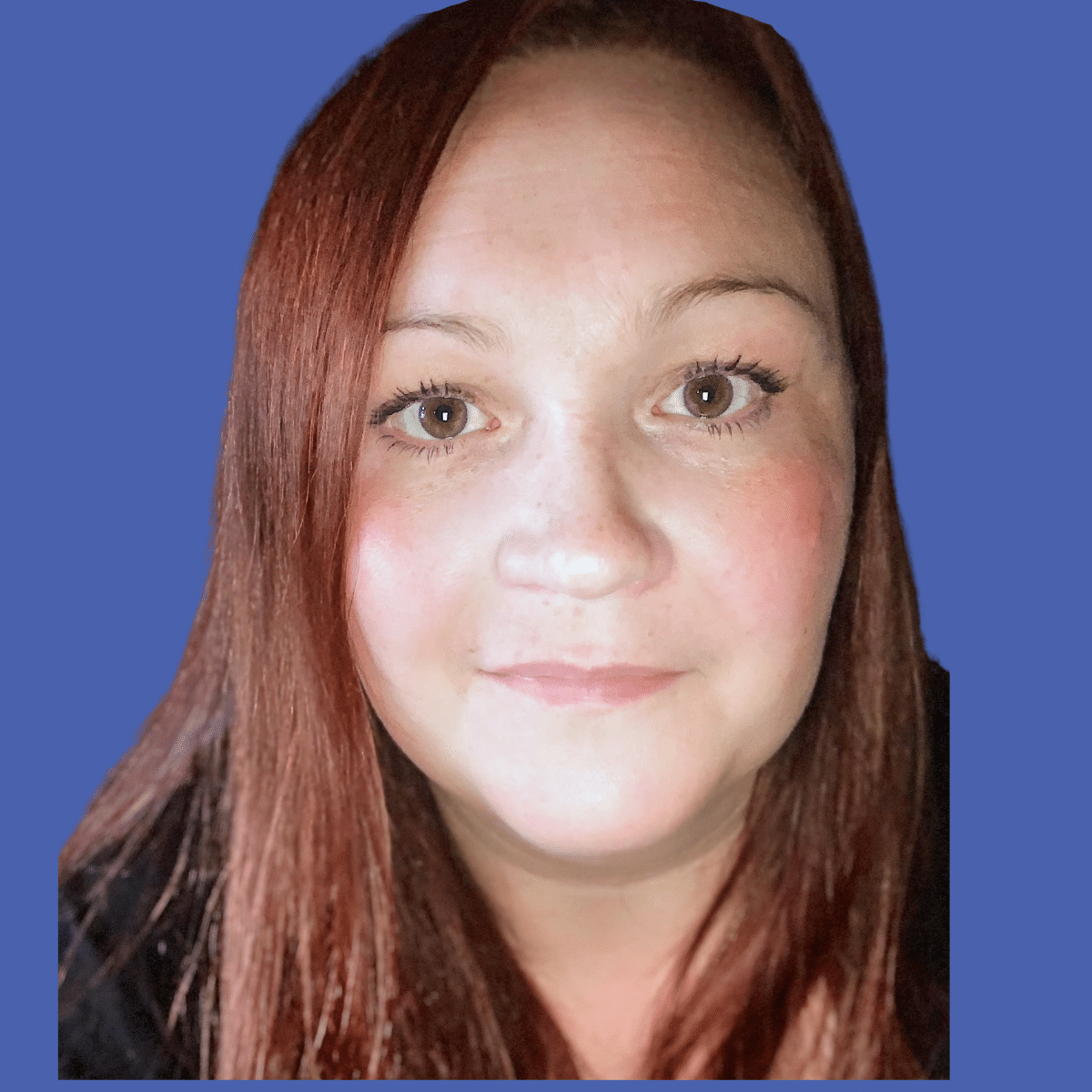
At The Learning Support Centre (LSC), inclusive education isn’t just about providing support, it’s about empowering students to build confidence, independence and belief in their own abilities.
For Luisa Hopkinson, SpLD and autism specialist study support tutor, success looks like working herself out of a job, supporting students until they reach a point where they no longer need her.
We sat down with Luisa to talk about her journey into inclusive education, what motivates her work, and why empathy and lived experience in neurodiversity support sit at the heart of effective student support.
My path into education wasn’t a traditional one. After studying Criminology and Law at university, I found myself working with young people who were at risk of exclusion from school.
That work was predominantly with neurodiverse students, people who were really on the margins of education at the time.
What began as a temporary role quickly became a vocation. I went on to complete my PGCE, worked extensively in alternative provision, and I’ve never worked in mainstream education, by choice.
“It feels very natural to me. Finding strategies, meeting people where they are – it doesn’t feel like hard work. It just makes sense.”
I completed my Level 5 qualification and dyslexia specialism in 2020/21 before joining LSC, where I have now worked for four years.
When I think about the impact of my work in student support and study skills tutoring, I don’t immediately think of grades or milestones. I think of something far more powerful.
“The biggest impact is when they don’t need me anymore.”
For me, success is hearing a student say they’re up to date, organised, and confident managing their work independently.
“That’s exactly what I want to hear, that they’ve got it.”
My approach is centred on building student independence in learning, not dependency – gradually stepping back as students take ownership of their academic journey.
One of the things I believe truly sets LSC apart is its people.
“LSC is run by and staffed by people with lived experience of disability and neurodiversity, and that makes a massive difference.”
I have ADHD myself and I’m open about how that shapes my practice as a neurodiversity specialist tutor.
When I tell a student, ‘It’s okay, I get it’, they feel believed. That understanding changes everything.
This lived experience allows me to bring genuine empathy – not assumptions – into my work, helping students feel heard, understood and supported in a space where they often haven’t been before.
While I can see that understanding of neurodiversity has improved over time, I’m also very aware that challenges still remain, particularly within education systems.
“We’re moving in the right direction, but we’re not there yet.”
As both a professional and a parent of neurodivergent children, I continue to see gaps in understanding, which reinforces why inclusive learning support in higher education is still so vital.
When I think about which LSC value resonates most with me, I don’t hesitate: Professionalism.
“Everything we do is well-considered. People really think about their words and their actions.”
Care, reflection and respectful communication are embedded into everyday practice, creating an environment where students and staff alike feel safe, supported and valued.
For anyone considering a career in inclusive education, study skills support or SEND tutoring, my key piece of advice is this:
Be flexible and see flexibility as a strength.
“People will forget sessions. They’ll struggle. That’s part of the process, not a failure.”
Understanding executive functioning challenges, staying patient, and adapting approaches are all essential in specialist study support roles.
Some of my proudest moments come from helping students understand and use feedback effectively.
“I had a student who was so excited, she told me she got 73 before she even said hello.”
By unpacking feedback, reframing criticism, and focusing on progress, I help students turn setbacks into stepping stones.
Above all, what keeps me going is a refusal to give up, on strategies or on people.
“So many of the young people I’ve worked with have had people give up on them. I won’t be one of them.”
And that belief – consistent, compassionate, and unwavering – is exactly what makes this work so meaningful to me.
People of LSC is about celebrating the people who make inclusive education possible every day.
My story is a reminder that sometimes the greatest success in student support and neurodiversity education is helping someone realise they can succeed on their own.
👥 Want to meet more of the People of LSC?
Read more NMH support staff stories →